

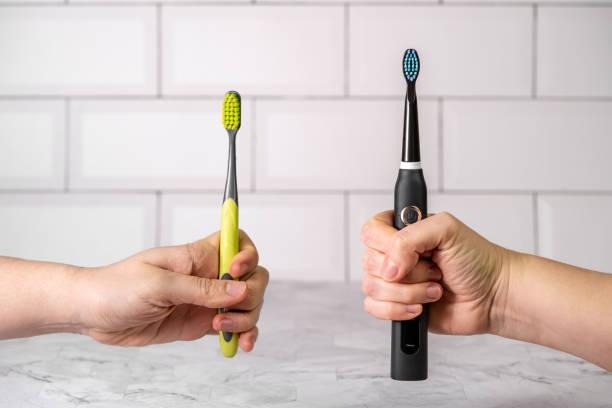
Maintaining proper oral hygiene is essential for overall health, and brushing your teeth is the cornerstone of this practice. Yet with so many options available, deciding between an electric toothbrush and a traditional manual brush can be confusing. Both methods are effective when used correctly, but each comes with unique advantages and considerations. Understanding the differences can help you make an informed choice that fits your dental needs, lifestyle, and any specific sensitivities you may have.
Understanding Manual Toothbrushes
Manual toothbrushes are the standard option that most people are familiar with. They are affordable, widely available, and do not require charging or batteries. A manual toothbrush is effective at removing plaque and debris when used with the proper technique. This includes brushing for at least two minutes, covering all surfaces of the teeth, and using gentle, circular motions rather than harsh scrubbing.
One of the main benefits of manual toothbrushes is control. Users can adjust the pressure and angle of brushing to suit their comfort level, which can be particularly helpful for people with sensitive gums or teeth. Manual brushes also allow for a variety of bristle types and head sizes to target specific areas in the mouth, from wide molars to narrow gaps.
However, manual brushing relies heavily on user technique and consistency. Studies show that many people do not brush long enough or apply proper technique, which can lead to plaque buildup, gum irritation, and other dental issues. For individuals who struggle with dexterity, arthritis, or limited mobility, manual brushing may be more challenging, potentially reducing effectiveness.
Exploring Electric Toothbrushes
Electric toothbrushes have become increasingly popular in recent years due to their convenience and technological advancements. These brushes use oscillating, rotating, or sonic movements to clean teeth with minimal effort from the user. Many models include built-in timers to ensure the recommended brushing duration and pressure sensors to prevent over-brushing, which can harm enamel and gums.
One of the primary advantages of electric toothbrushes is their effectiveness in removing plaque. Research indicates that electric brushes, particularly those with oscillating-rotating heads, can remove more plaque and reduce gingivitis better than manual brushes when used consistently. They are also helpful for people with braces, dental implants, or bridges, as their rapid movements can reach areas that might be missed with a manual brush.
Electric toothbrushes can also be beneficial for individuals with limited dexterity, such as children, older adults, or those with arthritis. The brush does most of the work, allowing users to achieve a thorough clean without complex movements. Additionally, some models offer different cleaning modes, such as sensitive or gum-care settings, making them adaptable to varying dental conditions.
On the downside, electric toothbrushes are more expensive than manual brushes and require charging or battery replacements. They can be bulkier and less convenient for travel, and some users find the vibration or noise uncomfortable. For individuals with extreme sensitivity, certain electric brushes may irritate if used improperly.
Which Brush Works Best for Sensitive Teeth and Gums
For patients with sensitive teeth or gums, choosing the right toothbrush is crucial. Manual brushes with soft bristles allow for gentle, controlled brushing, reducing the risk of discomfort or gum recession. The key is to use light pressure and small, circular motions rather than scrubbing aggressively.
Electric toothbrushes can also be suitable for sensitive mouths, but it is important to select a brush designed for this purpose. Many models have a sensitive mode that reduces vibration and rotation speed. Pairing an electric brush with a soft-bristled head can help clean teeth effectively without aggravating sensitivity. Patients with gum disease, receding gums, or enamel erosion should consult their dentist before choosing an electric brush to ensure the settings are appropriate.
Considerations for Children and Young Brushers
Teaching children proper oral hygiene is an essential step in establishing lifelong healthy habits. Manual toothbrushes with small heads and soft bristles are often recommended for younger children because they are easy to handle and less intimidating. Children can develop the dexterity needed for thorough brushing with supervision and guidance.
Electric toothbrushes can be introduced as children grow and can handle the vibrations. Many pediatric electric brushes are designed with fun features, such as timers, lights, or music, which can make brushing more engaging. These brushes can help children reach all areas of the mouth and ensure adequate brushing time, particularly when children are prone to rushing through their routine.
Dental Conditions That May Benefit From an Electric Brush
Certain dental conditions make electric toothbrushes particularly advantageous. For patients with braces, clear aligners, or other orthodontic appliances, the oscillating or sonic movements can clean around brackets and wires more effectively than manual brushing. Similarly, individuals with dental implants, bridges, or crowns may find electric brushes useful for maintaining oral hygiene around prosthetics.
For those prone to gum inflammation or plaque buildup, electric brushes can improve overall gum health and reduce the risk of gingivitis. Many models offer gum-massage modes that stimulate blood flow and promote healthier tissue. However, it is essential to maintain proper technique and replace brush heads regularly to prevent bacterial buildup.
Manual Brushing for Cost-Conscious or Minimalist Options
For individuals seeking an effective, low-cost solution, manual toothbrushes remain a reliable choice. When paired with proper brushing technique and routine, a manual brush can achieve excellent oral hygiene. Using fluoride toothpaste and brushing at least twice daily is more important than the type of brush alone. Manual brushes are also convenient for travel, do not require charging, and are easily replaced when worn.
Tips for Effective Brushing, Regardless of Type
Whether you choose a manual or electric toothbrush, proper technique and consistency are essential for maintaining oral health. Brush for at least two minutes twice daily, covering all surfaces of the teeth, including the front, back, and chewing surfaces. Replace toothbrushes or brush heads every three to four months, or sooner if bristles become frayed. Use gentle pressure to avoid damaging gums and enamel. Floss daily and consider an antimicrobial mouthwash for additional protection. Regular dental checkups are essential to catch any potential issues early and receive personalized advice on brushing methods.
Making Your Choice
The decision between an electric toothbrush and a manual brush ultimately depends on your dental needs, sensitivities, and lifestyle. Manual toothbrushes offer control, affordability, and simplicity, making them ideal for those who can maintain proper technique. Electric toothbrushes provide advanced plaque removal, convenience, and helpful features for those with orthodontic appliances, limited dexterity, or specific oral health concerns. Both can be highly effective when used consistently and correctly.
For patients with sensitive teeth, gum disease, braces, implants, or other special dental considerations, consulting a dentist can guide the most suitable brush type and settings. Sometimes a combination of manual and electric brushing can be effective, depending on your routine and dental condition.
Understanding the strengths and limitations of both manual and electric toothbrushes helps you make informed choices for your oral health. The best brush is the one you will use consistently, paired with proper technique and routine dental care. Paying attention to your specific dental conditions, sensitivities, and personal preferences ensures that your brushing routine supports long-term oral health.
At Fernandez, DMD, we are committed to helping you maintain a healthy, confident smile. If you have questions about which type of toothbrush is best for you or would like a personalized dental care plan, we are here to help. We are located at 502 E. Olympia Ave., Punta Gorda, FL 33950, and can be reached by phone at 941-639-1124 to schedule a consultation.