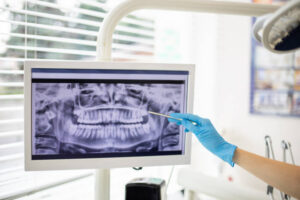


As we age, our bodies change in many ways, and our oral health is no exception. Senior dental care requires a thoughtful approach because years of wear, medical conditions, and lifestyle factors can all impact teeth and gums. At Fernandez, DMD, we often see patients navigating issues such as tooth wear, dry mouth, root decay, and denture maintenance. Understanding these challenges is the first step toward preventing discomfort and maintaining a healthy smile for life.
Oral health is closely connected to overall health, especially in older adults. Conditions such as diabetes, heart disease, and osteoporosis can influence dental health, while certain medications can contribute to dry mouth and other complications. With consistent care and preventive strategies, many of these issues can be managed effectively, allowing seniors to maintain both function and confidence in their smiles.
Understanding Natural Wear and Tear on Teeth
Over time, teeth naturally experience wear and tear from years of chewing, grinding, and exposure to acidic foods and beverages. Enamel, which is the protective outer layer of the teeth, gradually becomes thinner. This can make teeth more sensitive and more vulnerable to decay and damage.
For many seniors, this wear is compounded by habits such as teeth grinding, also known as bruxism. Grinding often occurs during sleep and can lead to flattened, chipped, or cracked teeth. Even normal chewing patterns over decades can lead to subtle changes in bite alignment and tooth structure.
As enamel wears down, the underlying dentin becomes more exposed. Dentin is softer and more sensitive, which can lead to discomfort when eating hot, cold, or sweet foods. This increased sensitivity is one of the most common concerns among older dental patients.
Regular dental visits are essential for monitoring wear patterns and addressing problems early. Treatments such as dental bonding, crowns, or night guards can help protect teeth and restore function before more serious damage occurs.
Dry Mouth and Its Impact on Senior Oral Health
Dry mouth, also known as xerostomia, is a common issue among older adults. It occurs when the salivary glands do not produce enough saliva to keep the mouth moist. Saliva plays a critical role in oral health by washing away food particles, neutralizing acids, and helping prevent tooth decay.
Many medications commonly prescribed to seniors, including those for blood pressure, allergies, depression, and pain management, can contribute to dry mouth. Medical conditions such as diabetes or autoimmune disorders may also reduce saliva production.
When the mouth becomes dry, the risk of cavities and gum disease increases significantly. Without enough saliva, bacteria can thrive, leading to faster plaque buildup and enamel erosion. Dry mouth can also make it more difficult to chew, swallow, and speak comfortably.
Managing dry mouth often involves a combination of lifestyle adjustments and dental care. Drinking plenty of water throughout the day is essential. Sugar-free gum or lozenges can help stimulate saliva flow. In some cases, dentists may recommend saliva substitutes or special rinses designed to keep the mouth hydrated.
It is also helpful to avoid alcohol-based mouthwashes, caffeine, and tobacco products, as these can worsen dryness. Regular dental checkups are important to monitor changes and prevent complications associated with reduced saliva flow.
Increased Risk of Root Cavities
As gums naturally recede with age, the roots of the teeth can become exposed. Unlike the crown of the tooth, the root surface is not protected by enamel. Instead, it is covered by a softer material called cementum, which is more vulnerable to decay.
This makes root cavities a significant concern for seniors. Once exposed, root surfaces can decay quickly if proper oral hygiene is not maintained. Dry mouth, dietary habits, and plaque buildup can all contribute to this process.
Root cavities can be particularly problematic because they often develop near the gumline, where they are harder to see and clean. They may progress quickly and lead to sensitivity, pain, or even tooth loss if left untreated.
Prevention is key when it comes to root decay. Brushing twice daily with fluoride toothpaste, flossing carefully, and using fluoride rinses can help strengthen vulnerable areas. Dentists may also recommend professional fluoride treatments or protective coatings to reduce risk.
Early detection during routine dental exams allows for minimally invasive treatment options, which can preserve tooth structure and prevent more extensive procedures later.
Denture Care and Maintenance
For many seniors, dentures play an important role in restoring function and appearance after tooth loss. Whether full or partial, dentures require consistent care to remain comfortable and effective.
Proper denture hygiene is essential to prevent staining, odor, and bacterial buildup. Dentures should be cleaned daily using a soft-bristle brush and a non-abrasive denture cleaner. Regular toothpaste is not recommended, as it can be too harsh and may scratch the surface of the dentures.
It is also important to remove dentures at night to allow the gums to rest. Soaking dentures in a cleaning solution or water overnight helps maintain their shape and cleanliness.
Over time, the shape of the mouth can change, causing dentures to feel loose or uncomfortable. This is a normal part of aging, but it should be addressed by a dental professional. Ill-fitting dentures can lead to sore spots, difficulty chewing, and speech changes.
Regular dental visits ensure that dentures are properly fitted and adjusted as needed. In some cases, relining or replacement may be necessary to maintain optimal comfort and function.
Daily Oral Hygiene for Seniors
A strong oral hygiene routine remains one of the most important factors in maintaining dental health at any age. For seniors, this routine may need to be adapted based on physical ability, dexterity, and existing dental conditions.
Brushing at least twice a day with a soft-bristled toothbrush helps remove plaque and protect enamel. Electric toothbrushes can be especially helpful for individuals with arthritis or limited hand strength. Fluoride toothpaste is recommended to strengthen teeth and reduce the risk of decay.
Flossing or using interdental brushes is essential for cleaning between teeth where a toothbrush cannot reach. For those with difficulty flossing, water flossers can be an effective alternative.
Mouth rinses may also be recommended to reduce bacteria and support gum health. However, it is important to choose alcohol-free options, especially for individuals experiencing dry mouth.
Consistency is key. Even small lapses in oral hygiene can lead to significant problems over time, especially when combined with age-related changes in the mouth.
The Importance of Regular Dental Visits
Routine dental checkups are especially important for seniors. These visits allow for early detection of issues such as cavities, gum disease, oral cancer, and denture complications. Many dental conditions progress slowly and may not cause pain until they are advanced, making professional evaluation essential.
During a dental exam, the dentist can assess gum health, check for signs of decay, evaluate bite alignment, and ensure that restorations or dentures are functioning properly. Professional cleanings also remove hardened plaque that cannot be eliminated through brushing and flossing alone.
For seniors with medical conditions, dental visits also provide an opportunity to coordinate care and ensure that treatment plans are safe and effective. Communication between healthcare providers helps support overall well-being.
Preventive care is always easier and less invasive than restorative treatment. Staying consistent with dental visits can significantly improve long-term oral health outcomes.
Aging Smiles Deserve Thoughtful Care
Oral health is a lifelong journey, and aging brings unique challenges that require attention and care. From enamel wear and dry mouth to root decay and denture maintenance, seniors benefit greatly from proactive dental care and regular monitoring.
With the right habits and professional support, it is possible to maintain a healthy, functional, and confident smile well into later years. Small daily actions, combined with routine dental visits, make a meaningful difference in long-term oral health.
At Fernandez, DMD, we are committed to helping seniors preserve their oral health with compassionate, personalized care. Whether you are managing dry mouth, adjusting to dentures, or looking to prevent decay, our team is here to help you every step of the way.
We are located at 502 E. Olympia Ave., Punta Gorda, FL 33950, and can be reached by phone at 941-639-1124.