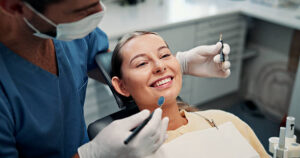


Choosing orthodontic treatment is an exciting step toward a straighter, healthier smile. Whether you are wearing traditional braces or clear aligners, orthodontics can improve the alignment of your teeth and address bite concerns. However, moving your teeth into better positions also means making a few adjustments to your everyday oral hygiene routine.
During orthodontic treatment, keeping your teeth and gums clean becomes especially important. Brackets, wires, and other orthodontic appliances can create additional places for plaque and food particles to collect. Clear aligners are removable, which makes brushing and flossing easier, but they bring their own hygiene considerations.
Fortunately, maintaining a healthy smile throughout orthodontic treatment does not have to be complicated. With the right techniques and a little extra attention, you can protect your teeth and gums while working toward your new smile.
Why Oral Hygiene Matters During Orthodontic Treatment
Plaque constantly forms on the teeth, whether you are undergoing orthodontic treatment or not. Brushing and cleaning between the teeth help remove plaque before it contributes to tooth decay or gum problems.
With traditional braces, brackets and wires create additional surfaces where food and plaque can become trapped. The American Association of Orthodontists explains that these additional spaces can make oral hygiene more challenging and that patients need to be particularly diligent about cleaning around their appliances.
If plaque remains around brackets or near the gumline for extended periods, it can contribute to cavities, irritated or swollen gums, bad breath, and white marks on the teeth. This is one reason maintaining excellent oral hygiene throughout treatment is just as important as attending orthodontic appointments.
Patients using clear aligners face a slightly different challenge. Because aligners fit closely over the teeth, putting them back into your mouth without cleaning your teeth first can trap food particles and sugars against the enamel. Developing a consistent routine helps keep both your teeth and aligners clean.
How to Brush Properly With Braces
Brushing with braces requires more attention than brushing without orthodontic appliances. Rather than quickly brushing across the surface of your brackets, take time to clean the teeth from several angles.
Use a soft-bristled toothbrush and fluoride toothpaste, and pay close attention to the areas above and below each bracket. Angle the toothbrush so the bristles can reach around the bracket and along the gumline. Remember to clean the chewing surfaces and backs of your teeth as well.
Your orthodontist may recommend brushing more frequently while wearing braces, particularly after meals. If you cannot brush immediately after eating, rinsing thoroughly with water can help loosen food particles until you are able to brush properly.
An electric toothbrush can also be useful for some patients, but the most important factor is thorough technique. Whether you choose an electric or manual toothbrush, make sure you are reaching every tooth surface and carefully cleaning around your orthodontic appliances.
Our oral health and preventive care recommendations provide additional guidance for maintaining healthy teeth and gums through proper brushing, flossing, fluoride use, and professional preventive care.
Flossing With Braces Is Possible
Flossing can feel like one of the biggest adjustments after getting braces. The orthodontic wire prevents you from simply sliding traditional floss between the teeth in the way you may have before treatment.
However, cleaning between your teeth remains extremely important. According to the American Dental Association, interdental cleaning helps remove plaque and debris from areas that toothbrush bristles cannot effectively reach.
A floss threader can make traditional flossing easier with braces. The threader helps guide floss underneath the orthodontic wire so you can move the floss between your teeth and gently clean along each side of the tooth.
Special orthodontic flossers are another option. These tools are designed to fit around braces and can make daily flossing more manageable.
Interdental brushes, sometimes called proxy brushes, can also be useful for cleaning around brackets and underneath wires. Their small size allows them to reach areas that may be difficult to access with a regular toothbrush. Water flossers may also be helpful for some patients, particularly when used as part of a complete oral hygiene routine.
Your dental or orthodontic provider can help you determine which tools are appropriate for your individual needs.
Do Clear Aligners Make Oral Hygiene Easier?
One of the advantages of clear aligners is that they are removable. Unlike traditional braces, you can take your aligners out and brush and floss normally.
Fernandez, DMD offers Invisalign treatment, which uses removable clear aligners to gradually reposition the teeth. Because the aligners can be removed, patients can continue brushing and flossing without navigating around brackets and wires.
However, removable does not mean maintenance-free.
Aligners should be removed before eating and before drinking anything other than water unless your provider has instructed otherwise. Before putting them back in, it is important to clean your teeth. Otherwise, food debris and sugars may become trapped between the aligner and your teeth.
The aligners themselves also need regular cleaning. Follow the instructions provided by your dental professional and avoid using products or techniques that could damage or distort the trays.
Watch What You Eat With Traditional Braces
Food choices can affect both your orthodontic appliances and your oral health.
The American Dental Association’s information about braces notes that eating too many sugary foods while wearing braces can lead to plaque buildup around brackets, which may permanently stain or damage the teeth. Being mindful of sugary snacks and drinks is especially important during orthodontic treatment because brackets and wires can make it easier for plaque and food debris to remain on the teeth.
Sticky, chewy, and very hard foods may also cause problems because they can become lodged around appliances or damage brackets and wires. Your orthodontist will provide specific instructions about which foods to avoid.
Cutting harder fruits and vegetables into smaller, bite-sized pieces can make them easier to enjoy without placing unnecessary pressure on braces.
It is also wise to be mindful of how frequently you consume sugary snacks and beverages. Frequent exposure to sugar gives cavity-causing bacteria more opportunities to produce acids that attack tooth enamel.
Pay Attention to the Gumline
When wearing braces, it is easy to focus so much on cleaning around the brackets that you overlook the gumline.
Plaque that remains along the gums can cause inflammation, redness, tenderness, or bleeding. Make sure your toothbrush reaches the area where the teeth and gums meet, using gentle pressure rather than aggressive scrubbing.
If your gums bleed occasionally when you begin improving your flossing routine, do not automatically assume that you should stop cleaning the area. Bleeding can be associated with gum inflammation. If it continues or you notice swelling, discomfort, or other changes, talk with your dentist.
Consistent preventive dental care can help identify changes in your teeth and gums before they become more significant concerns.
Keep a Dental Care Kit With You
Orthodontic hygiene becomes easier when you have the right supplies available, especially if you spend most of your day at school, work, or away from home.
Consider keeping a small orthodontic care kit in your bag, desk, or backpack. It might include a travel toothbrush, fluoride toothpaste, floss or an orthodontic flosser, an interdental brush, and orthodontic wax if you wear braces.
The American Association of Orthodontists also recommends having oral hygiene supplies available when you are away from home so you can clean your teeth after meals whenever possible.
Even when you cannot complete your entire routine, rinsing your mouth thoroughly with water after eating is better than allowing food debris to remain around your braces for the rest of the day.
Continue Seeing Your General Dentist
Orthodontic appointments and routine dental visits serve different purposes, which is why you should continue seeing your general dentist while undergoing orthodontic treatment.
Your orthodontist focuses primarily on moving your teeth and monitoring your orthodontic appliances. Your general dentist continues to monitor the health of your teeth and gums, look for signs of decay, and provide professional cleanings and preventive care.
Regular dental visits are particularly valuable during orthodontic treatment because some areas can be harder to clean at home. Professional cleanings help remove plaque and tartar from areas you may be missing.
Your dentist can also evaluate your home-care routine and recommend adjustments if certain areas are consistently accumulating plaque. Preventing problems during treatment is much easier than addressing significant decay or gum disease later.
A Straighter Smile Should Also Be a Healthy Smile
Orthodontic treatment is an investment in your smile, but the final result depends on more than simply keeping up with adjustments or wearing your aligners as directed. Taking care of your teeth throughout treatment helps ensure that when your braces come off or your final set of aligners is complete, the smile underneath is both straighter and healthier.
Brush carefully, clean between your teeth every day, pay attention to your food choices, keep aligners and appliances clean, and maintain regular dental appointments. These small habits can make a meaningful difference throughout your orthodontic journey.
If you are considering braces or clear aligners, or if you are already undergoing orthodontic treatment and want help keeping your teeth and gums healthy, the team at Fernandez, DMD is here to help. We can provide personalized recommendations based on your smile, your orthodontic appliances, and your oral health needs.
Schedule an appointment with Fernandez, DMD today. We are located at 502 E. Olympia Ave., Punta Gorda, FL 33950, and can be reached by phone at 941-639-1124. Let us help you protect your oral health while you work toward a straighter, more confident smile.